Integrated Campaign

Launching Herbal Tea Into a Market That Didn't Want It

Client Lipton (via Nineteen84)
Role Account Executive
Timeline 2017–2018

The Problem

Egypt is a tea country. Black tea, strong, sweet, multiple cups a day — it's baked into the culture. Lipton wanted to launch a herbal infusion line into this market. Chamomile, peppermint, that kind of thing. The problem? Nobody was asking for it.

Brands like Nestea already dominated the bottled tea space, and herbal tea wasn't part of anyone's daily routine. We couldn't compete on taste or habit. We had to create an entirely new reason for people to pick this up.

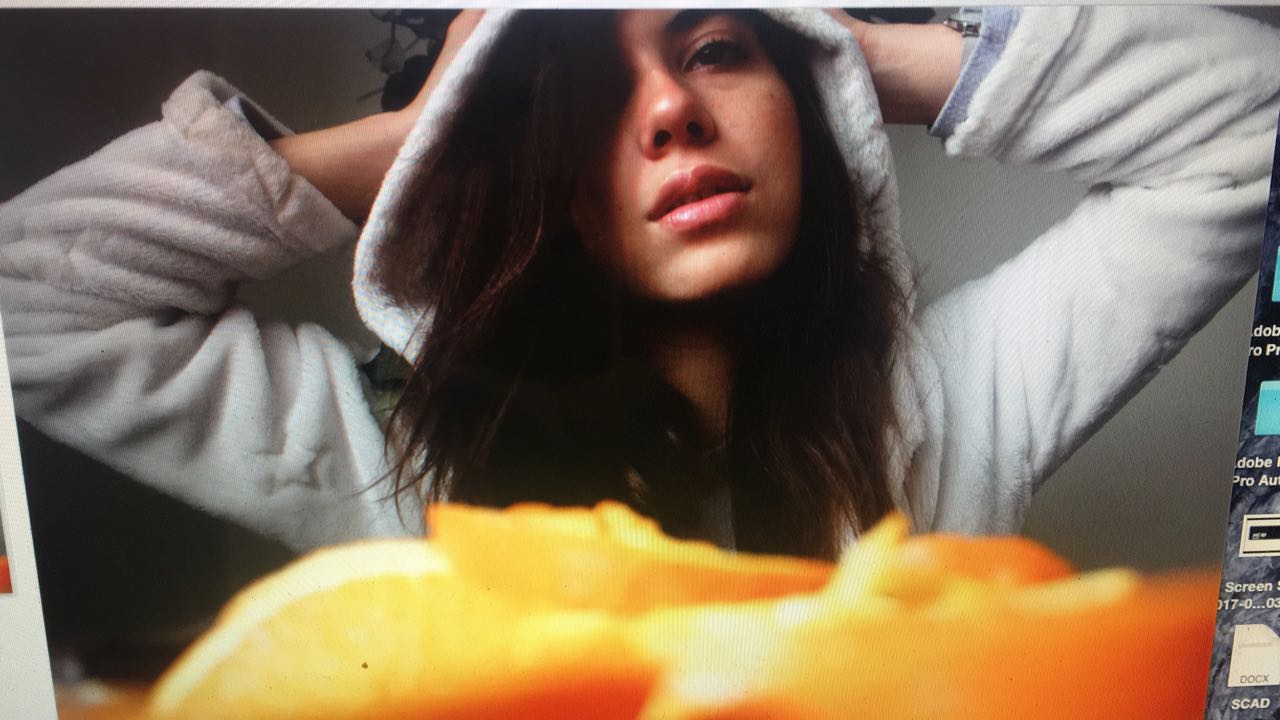
Lipton herbal tea campaign visual
The Insight
#ارجع_للطبيعي
Return to Nature
We landed on something that felt right: in a world where everything is processed and synthetic, there's a real hunger for something genuine. Herbal tea wasn't about health benefits or antioxidants — nobody in Egypt was going to switch their tea for that. It was about a feeling. A moment of calm. Permission to slow down.

We weren't selling tea. We were selling a pause.

How We Did It

I owned this end-to-end: consumer insight, creative direction, brief development, content production, social media coordination. The whole thing. And the first decision we made was to reject traditional advertising entirely. No TV spots, no billboards. This was going to live or die on authenticity.

The Influencer Approach

1 Who we picked

Lifestyle influencers who genuinely cared about wellness and natural living. Not the biggest accounts — the most authentic ones. Follower count was secondary to whether their audience actually trusted them.

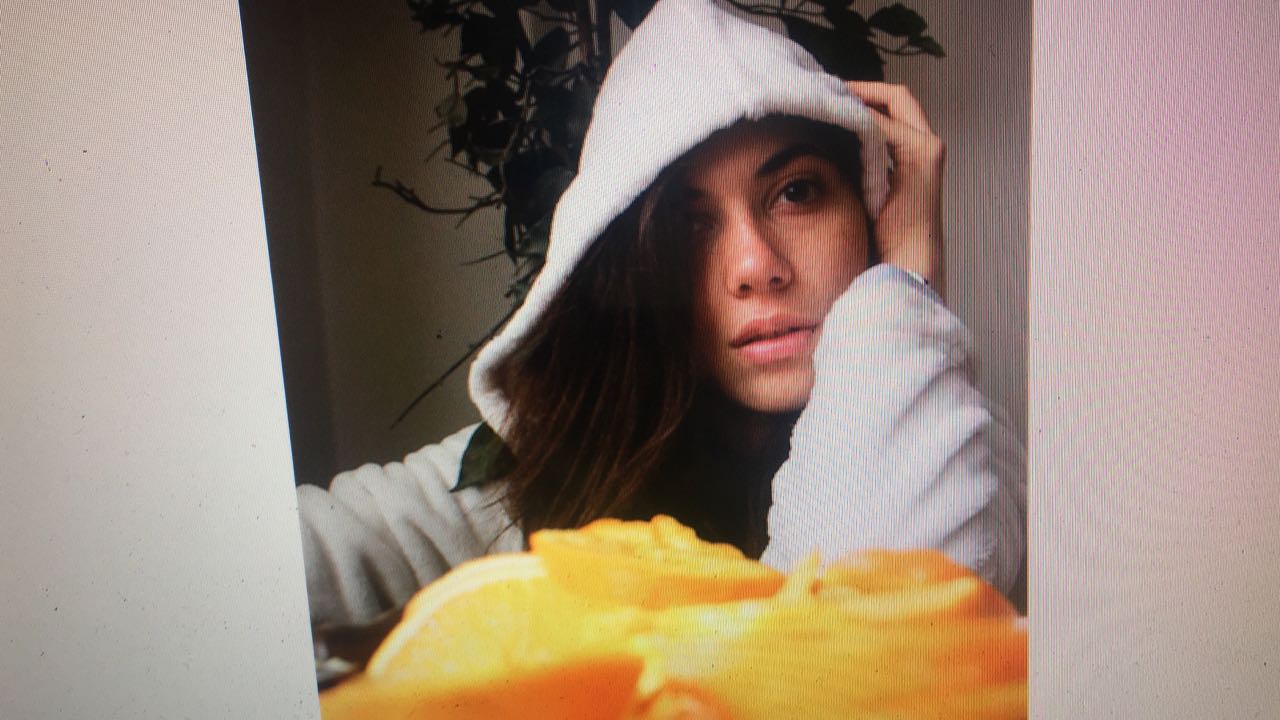
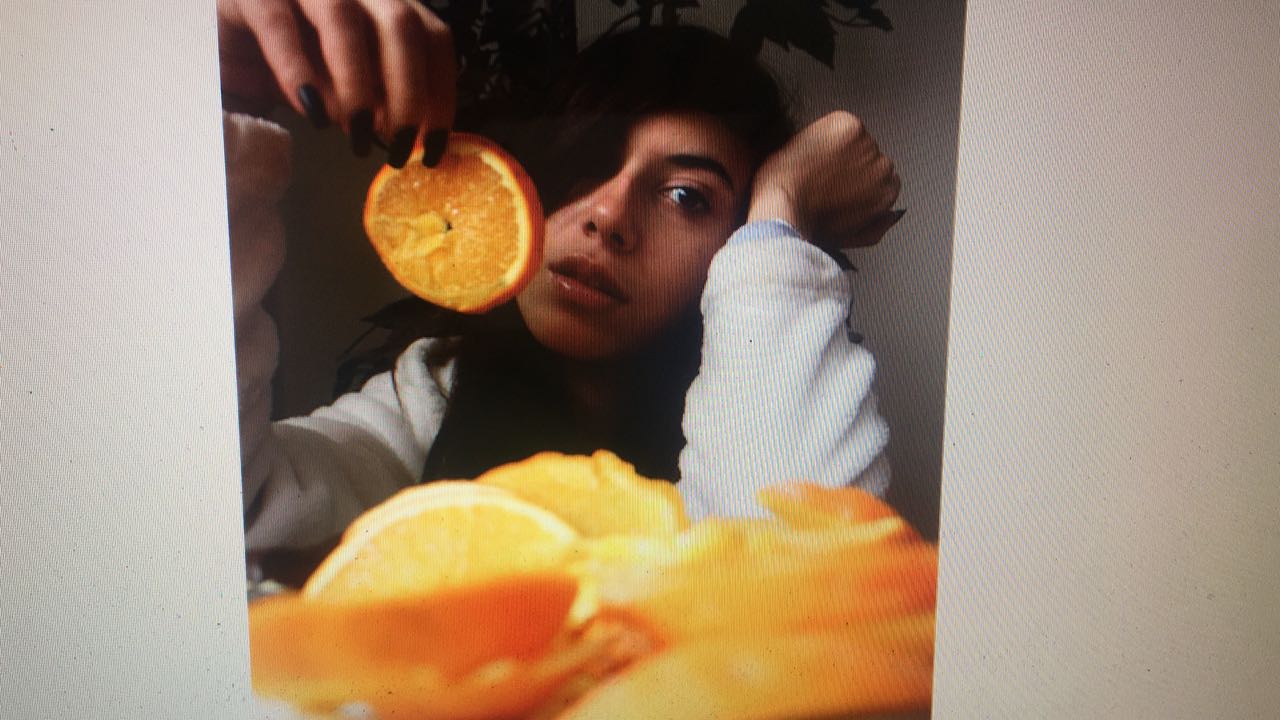
Lifestyle influencer content
Influencer content example

2 How we briefed them

We wrote guidelines, not scripts. We told them what the product was and what the campaign was about, then trusted them to make it their own. Scripted influencer content always looks fake. We wanted it to feel real.

3 What the content looked like

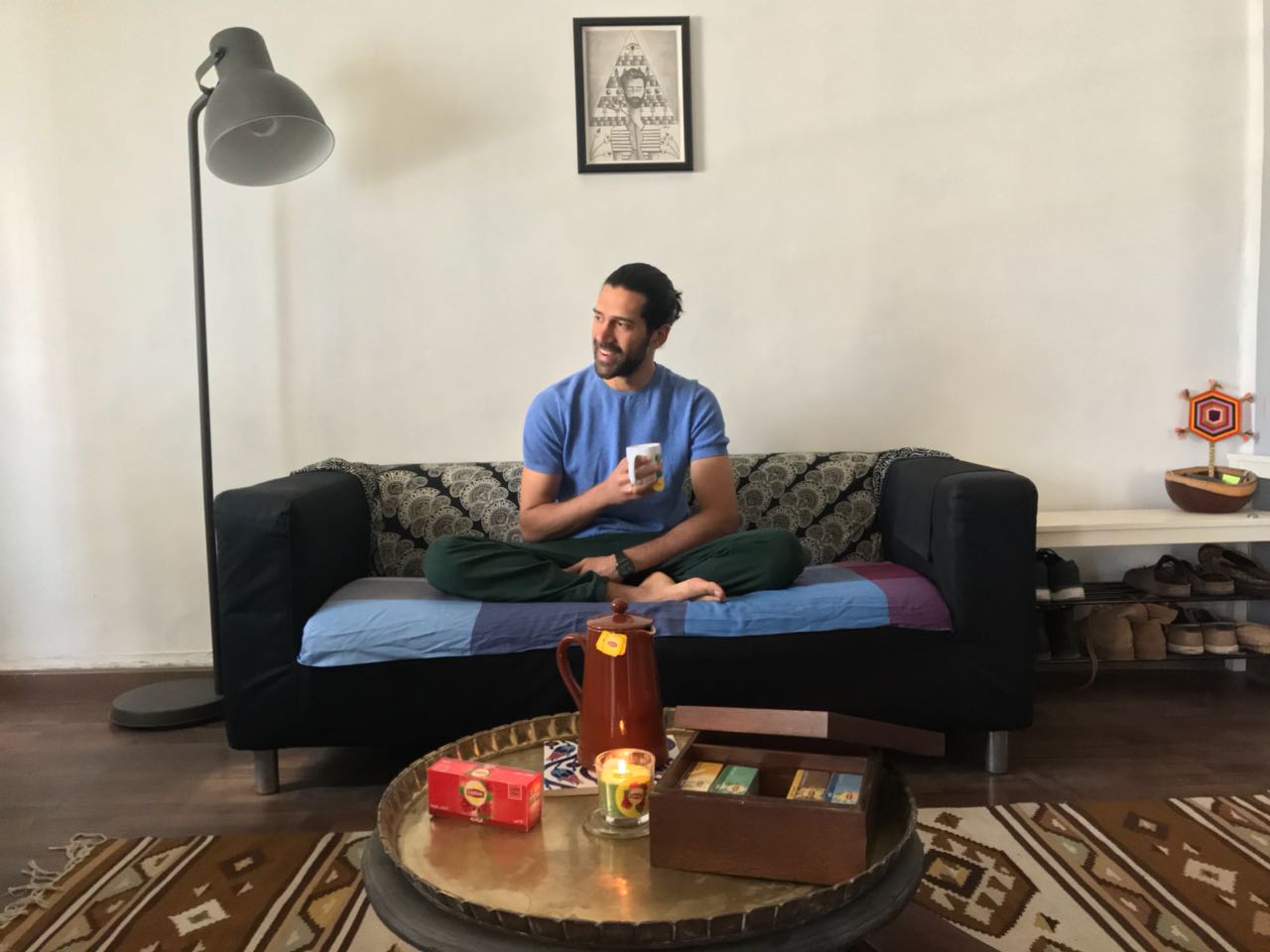
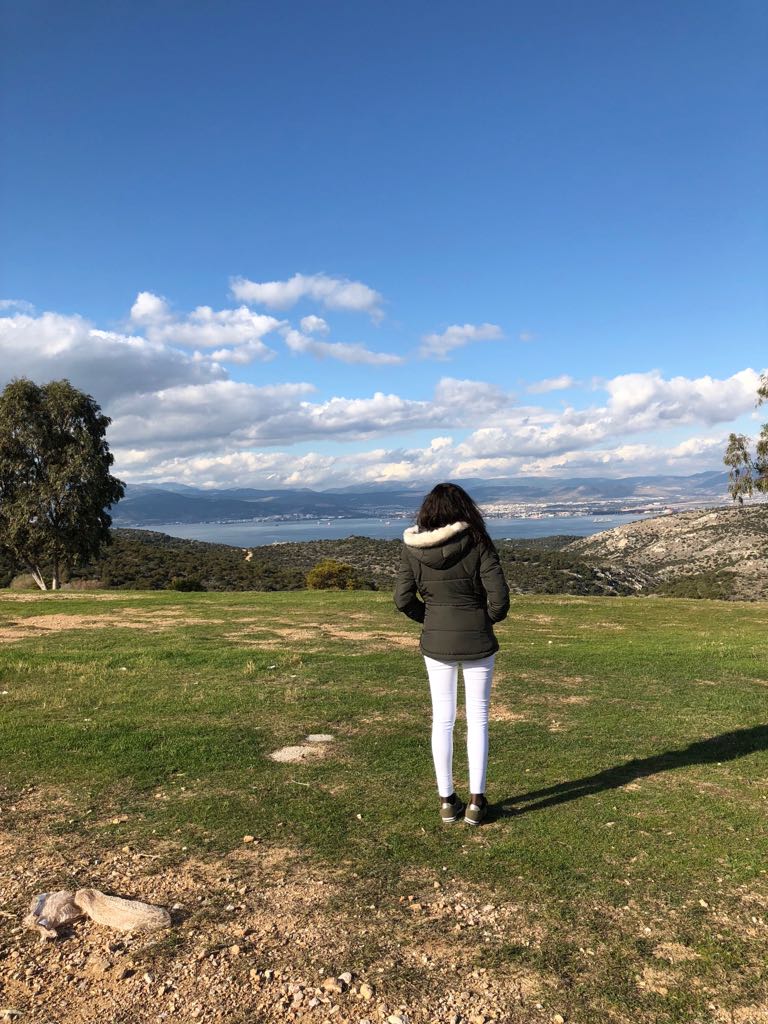
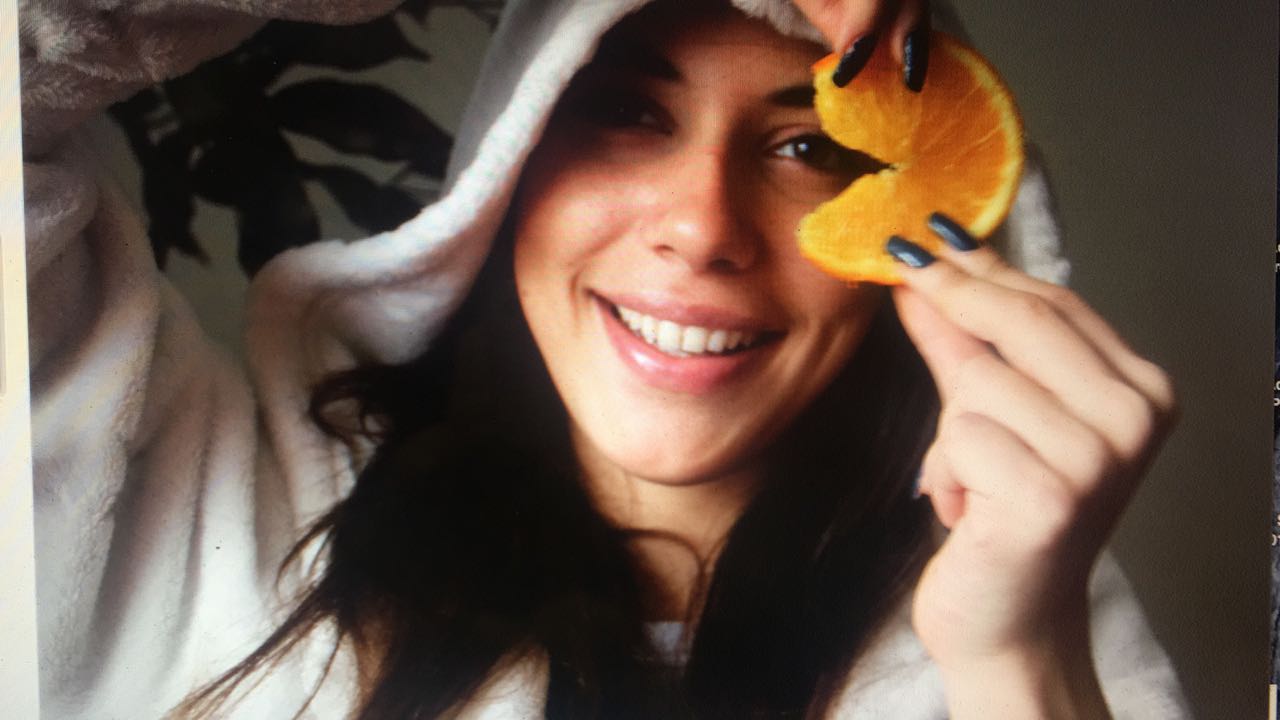
Beach scenes, morning rituals, home moments. No forced product shots. No "influencer holding product and smiling at camera." We captured moments where the tea was just... there. Part of the scene, not the center of it.

Beach scene with herbal tea Morning ritual with tea
Lifestyle moment

4 How we launched

Strategic timing across all channels simultaneously. When five different influencers post about the same thing within the same week, and it all feels organic, that's when it starts to look like a movement instead of a campaign.

Campaign content example

What Happened

#ارجع_للطبيعي took on a life of its own. People started sharing their own wellness moments — their own rituals, their own ways of "returning to nature." It stopped being our campaign and became something people felt ownership over. That's when you know something worked.

Results

A Consumer-Driven Movement

#ارجع_للطبيعي became a consumer-driven movement. Full end-to-end campaign ownership from insight to execution. Shifted Lipton's perception from bottled beverage brand to wellness lifestyle brand in the Egyptian market.

What I Learned

Two things. First: the best influencer marketing doesn't feel like marketing at all. When people feel like they're discovering something instead of being sold to, engagement becomes advocacy. Second: when you trust creative people with good briefs instead of rigid scripts, they do better work than you could have imagined. Guidelines inspire. Scripts suffocate.

Authenticity over reach. Smaller groups of genuine creators with aligned values always outperform massive campaigns. Connection quality beats impression quantity.

Trust beats control. Creators produce their best work when given autonomy within a strategic framework. Let them own the work.

Marketing should feel like discovery. When the audience feels like they're finding something real instead of being sold to, they become advocates. The audience becomes the campaign.

Next: Repositioning a Heritage Brand for a New Generation →