
Carina had been selling undergarments to Egyptian women for decades. In market terms, it had strong brand recognition and an established distribution network. What it didn't have was any meaningful presence among the consumer segment that actually drives growth: AB-class women between 20 and 40.
The brand's corporate image had calcified around a narrow set of associations. When we ran qualitative focus groups across Cairo and Giza, asking women to personify the brand, the picture that came back was consistent and brutal: a woman in her 40s, veiled, wearing oversized comfortable clothing, purely Egyptian. The phrase they kept using was "Carina Body" — shorthand for the basic cotton undershirt their mothers wore.
The product line had already evolved. The designs were modern, the cotton quality was competitive, and the price point was right. But the brand's image hadn't kept pace with the product reality. And in a category where perceived quality drives purchase decisions far more than actual quality, that gap was lethal.

This was fundamentally a brand attitude problem, not a brand awareness one. Carina had high recognition — everyone knew the name. But what they associated with that name was outdated. In IMC terms, the communication objective was clear: shift brand attitude among a new target segment without alienating the existing base.
Percy's strategic planning model starts with understanding how the target audience makes decisions in the category. For intimate apparel in Egypt, that decision-making process is heavily influenced by social approval motivation — women want to feel that their choice reflects who they are, not just what they need. This meant the campaign had to be transformational in nature: we needed to connect Carina with a positive emotional experience rather than simply communicating product attributes.
The research had handed us something else valuable. It showed that Egyptian women, particularly the younger AB cohort, were going through a quiet shift in self-perception. They didn't want the provocative Western lingerie messaging that dominated the category's aspirational brands. They wanted to feel capable, funny, resilient. They wanted a brand that got them — their daily grind, their sense of humor, the way they hold things together while everyone else watches football.
Objective: Shift brand attitude from "my mother's undershirt brand" to "a brand that champions modern Egyptian women" among AB-class females, 20–40.
Positioning: Carina as the brand that genuinely encourages every woman — not through aspiration, but through recognition of who she already is.
Benefit: Emotional (transformational). Wearing Carina means aligning with a brand that sees you and believes in you.
Media Strategy: High-impact broadcast during peak cultural moment (World Cup 2018) to maximize reach and reframe brand salience in a single decisive window.
Egypt was qualifying for the World Cup for the first time in 28 years. The entire country was about to lock in on one event. Every brand in Egypt was scrambling to attach itself to football fever. We did the opposite.
The insight was hiding in plain sight. During every World Cup match, millions of Egyptian women would be somewhere in the background — keeping the household running while the men shouted at the screen. The cultural joke writes itself: women don't get football, women are too busy with summer plans and beach trips, women just tolerate it. We took that cliché and weaponized it for the brand.
The TV ad was a 60-second spot that depicted Egyptian women in recognizably real situations during a match — rolling their eyes at their husbands, managing the kids, carrying on with life — while a warm voiceover told them that Carina sees what they do. That Carina encourages them. Not because they're watching the game, but because they're the ones who keep everything else going. Funny, warm, zero condescension.
We didn't try to insert Carina into the football conversation. We carved out the only territory that no other brand was going to claim: the women's side of the World Cup experience. That's the difference between cultural hijacking and cultural strategy.



A single broadcast execution, no matter how culturally resonant, doesn't reposition a brand by itself. Percy's ratchet effect makes the case clearly: advertising builds brand attitude, but it's the integration of advertising with promotion and other touchpoints that creates lasting behavioral change.
We extended the campaign across social media with content that carried the same tonal DNA — encouraging, playful, grounded in real Egyptian femininity. The product photography was overhauled to reflect a lifestyle sensibility rather than the flat, clinical shots of the past.
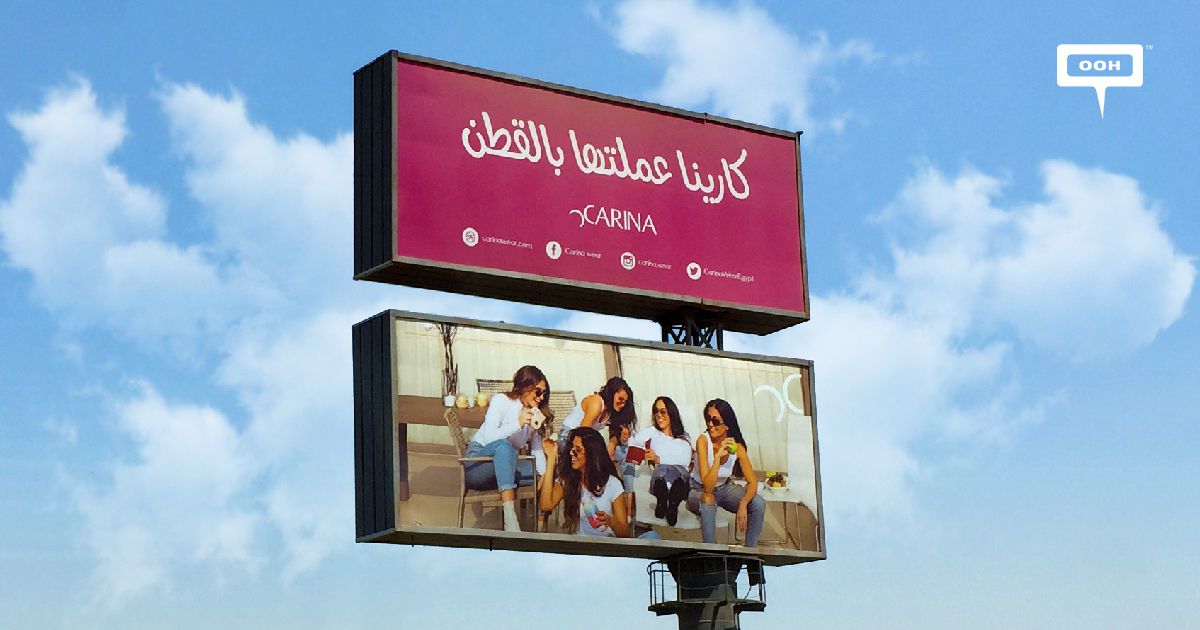
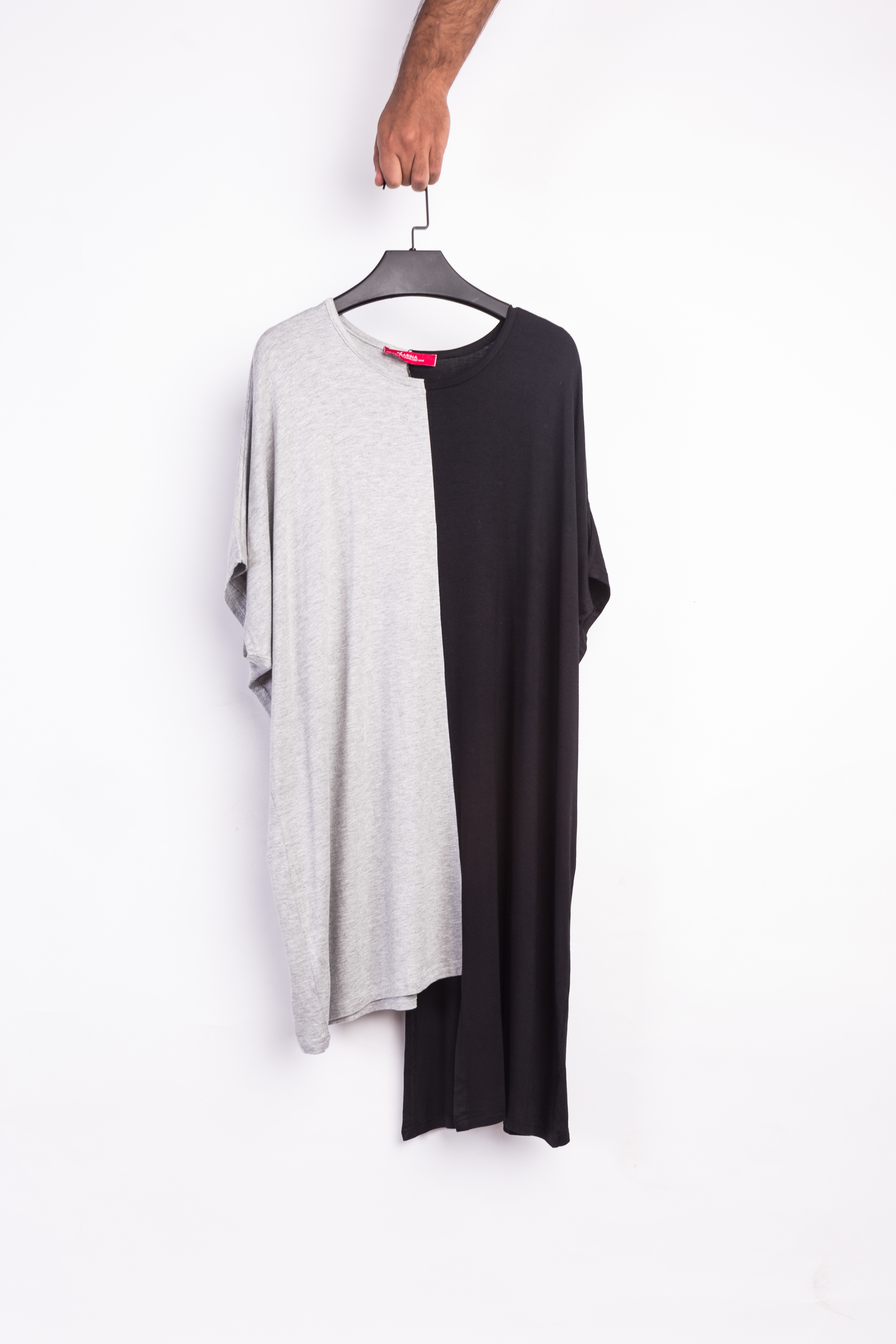
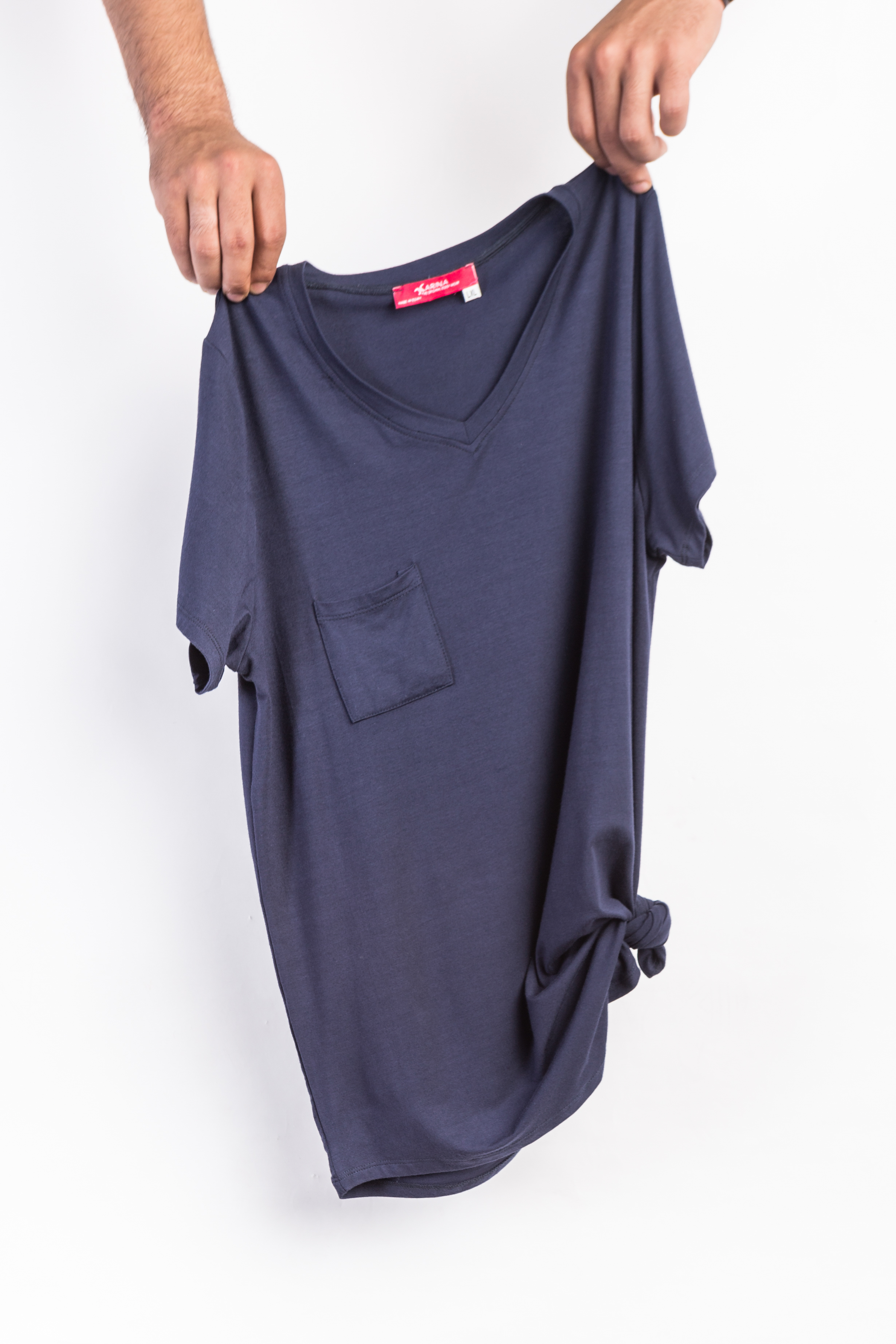
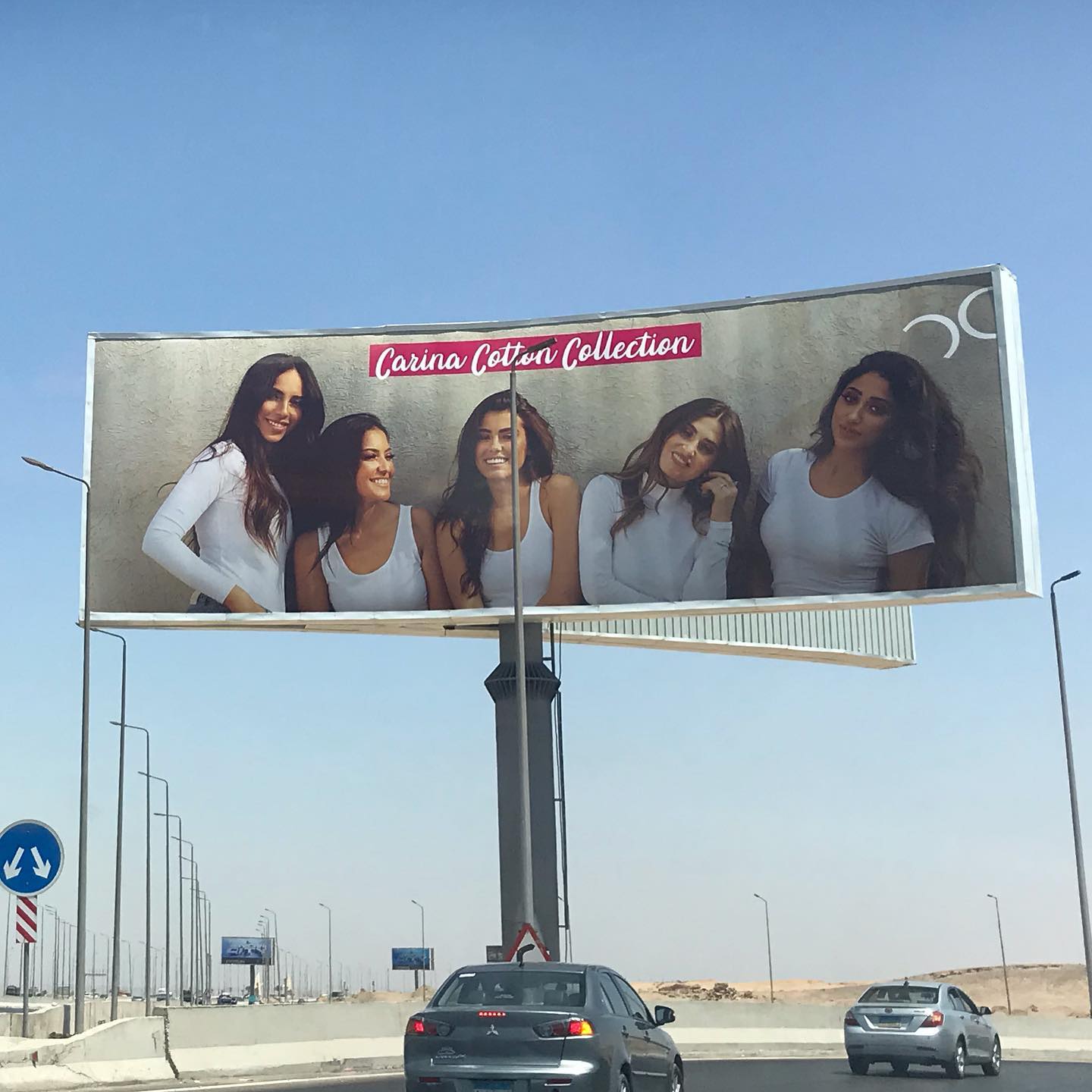
On the product side, we launched the 100% Egyptian Cotton Collection — a new range of everyday essentials made with 95% Egyptian cotton and 5% lycra. This gave us a tangible proof point for the quality story the research said we were missing. The cotton line was promoted through a media brunch, influencer seeding, and a targeted billboard campaign under the tagline "كارينا عملتها بالقطن" (Carina made it in cotton), plus an e-commerce launch on Jumia to reach the digitally native audience.
We also activated a PR push around Carina's international expansion — exhibiting at the Saudi Franchise Expo and the MAGIC trade show in Las Vegas — to signal that this was a brand with ambitions beyond its Egyptian heartland.
"The hardest thing in repositioning isn't the creative work. It's convincing a heritage brand that its greatest asset — familiarity — is also its biggest liability."
This project taught me that real repositioning work starts long before anyone writes a headline. It starts in the research. Those focus groups gave us the strategic ammunition to push back on safe ideas and fight for something that actually moved the needle. Without the qualitative foundation, the World Cup spot would have been just another cute ad. With it, we had a campaign rooted in a genuine consumer truth — and that's the difference between advertising that gets watched and advertising that changes how people feel about a brand.
The other lesson was about integration. The TV spot was the attention play, but the cotton collection launch, the influencer seeding, the media brunch, the e-commerce push, and the trade show presence — those were the components that made the repositioning durable. A single touchpoint can start a conversation. It takes a coordinated IMC program to change a brand's trajectory.